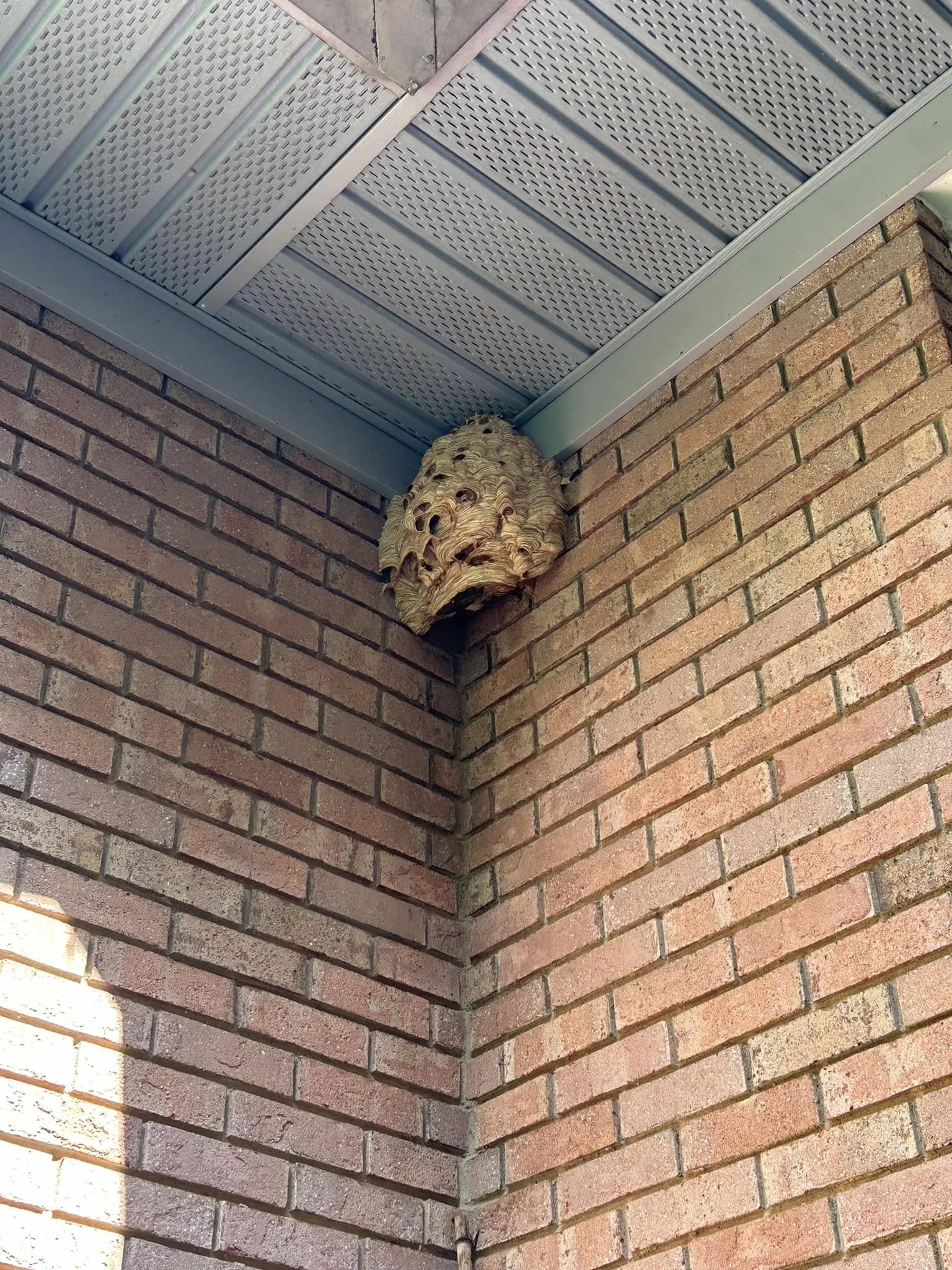
The Science Behind Integrated Pest Management: A Modern Approach to Pest Control Jun 20, 2026
Integrated Pest Management is a comprehensive strategy that goes beyond merely eliminating pests. It focuses on understanding the science of pest behaviors, their lifecycles, and the environments that foster infestations to create a long-term solution. The main goal of IPM is not only to control pests but to do so in a way that reduces risks to human health and the environment.
At its core, IPM involves several key components: prevention, identification, monitoring, and control. Prevention is the first line of defense, aiming to keep pest populations from developing in the first place. This involves measures such as sealing entry points, maintaining proper sanitation, and modifying habitats to be less appealing to pests. By addressing these root causes, IPM reduces the chances of future infestations, making it a proactive rather than reactive approach.
Correct identification of pests is crucial in IPM. Misidentifying a pest can lead to ineffective control measures and wasted resources. Winecoff Pest Control employs highly trained professionals who can accurately identify pests and tailor a strategic management plan accordingly. This ensures that we target the right problem, with precision and efficiency.
Monitoring is an ongoing aspect of IPM. Regular inspections help in keeping tabs on pest populations and evaluating the effectiveness of the implemented strategies. By consistently monitoring pest activity, any new issues can be caught early, allowing for swift and appropriate action. This not only helps in maintaining control but also prevents minor problems from escalating into significant infestations.
Control methods in IPM are diverse and based on the principle of using the least toxic solution possible. Biological controls, such as introducing natural predators of pests, can effectively keep pest numbers down without adverse environmental impacts. Cultural controls, like changing irrigation practices to reduce breeding areas for insects, also play a role in an IPM strategy. Chemical controls are used judiciously, prioritizing less toxic options and applying them in targeted ways to minimize disruption to non-target species and ecosystems.
Winecoff Pest Control integrates these principles to maintain a balance between effective pest management and environmental stewardship. We tailor our IPM approaches to fit the specific needs of each client, ensuring that the solutions are not only effective but also responsible. Our commitment to using environmentally friendly practices underscores our view that a healthy planet is fundamental to human well-being.
In conclusion, Integrated Pest Management represents a paradigm shift in pest control—transforming it from a process of extermination to a nuanced science of understanding and managing ecosystems. For clients looking to protect their homes and businesses while safeguarding the environment, IPM offers a sophisticated, sustainable approach. At Winecoff Pest Control, we are proud to lead the way in implementing modern, effective pest control solutions, helping you achieve peace of mind knowing that both your property and the planet are well cared for.
/filters:no_upscale()/filters:format(webp)/media/ded2d998-3e8b-4d9a-9877-6c8bc7280591.jpeg)