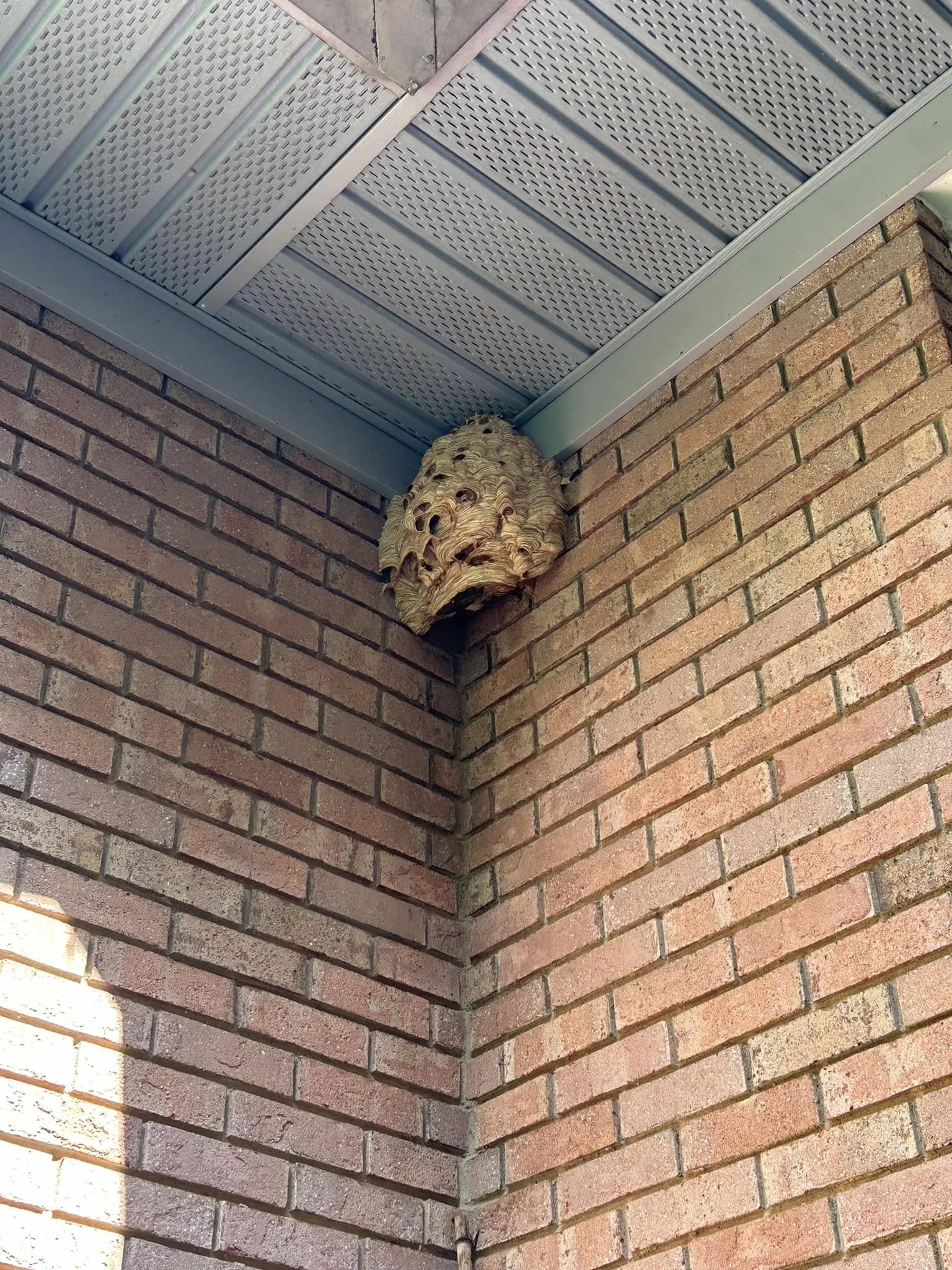
Integrated Pest Management: A Comprehensive Approach to Pest Prevention Jun 29, 2026
Starting with an engaging assessment, the first step in IPM involves identifying the types of pests present and understanding their lifecycle and their behavior. Winecoff Pest Control professionals conduct thorough inspections to uncover pest habitats and conditions that may contribute to their proliferation. This analytical step is crucial in tailoring the right pest control strategies suited to your environment.
Once the pests are identified, IPM moves to the prevention phase. This involves making necessary changes in the environment to reduce the pests' access to food, water, and shelter. Strategies here might include sealing entry points in homes, repairing leaks, and ensuring proper sanitation practices are in place. By altering this habitat, we can significantly decrease the likelihood of pests settling in.
Moving forward, if pest levels exceed acceptable thresholds, IPM then incorporates pest control methods that are the least disruptive to human health and the environment. Winecoff Pest Control uses a mix of biological, cultural, and physical techniques to manage pests effectively. Biological control might involve introducing natural predators of the pests, while cultural controls could include changing farming practices to make environments less conducive to pests. Physical methods such as traps and barriers serve as direct deterrents.
When necessary, and only as a last resort, chemical controls are integrated into the plan. The key to using chemicals in the IPM approach is to apply specific products that target the identified pests directly, minimizing collateral damage to the environment and beneficial insects. Winecoff Pest Control carefully selects eco-friendly products that are both effective and sustainable.
As part of this comprehensive approach, ongoing monitoring and documentation are essential. Continuous assessment helps in adapting and modifying the pest management strategies to ensure their effectiveness over time. Winecoff Pest Control diligently tracks the results of implemented measures, making adjustments as necessary to improve pest management tactics.
The implementation of Integrated Pest Management offers numerous benefits. Not only does it protect your property from the structural damage that pests like termites and rodents can cause, but it also safeguards your health by minimizing exposure to potentially harmful chemicals. Furthermore, by fostering an eco-friendly approach, IPM contributes to the well-being of the broader ecosystem.
In conclusion, Integrated Pest Management represents a shift from reactive pest control to proactive pest prevention. By investing in IPM with Winecoff Pest Control, you take a step towards smarter, sustainable, and more efficient pest management. Our expertise and commitment to IPM ensure that your pest concerns are addressed with minimal environmental impact, keeping your space safe and pest-free in the long term. Contact Winecoff Pest Control today to learn how we can help implement a tailored IPM strategy that fits your specific needs.
/filters:no_upscale()/filters:format(webp)/media/ded2d998-3e8b-4d9a-9877-6c8bc7280591.jpeg)